
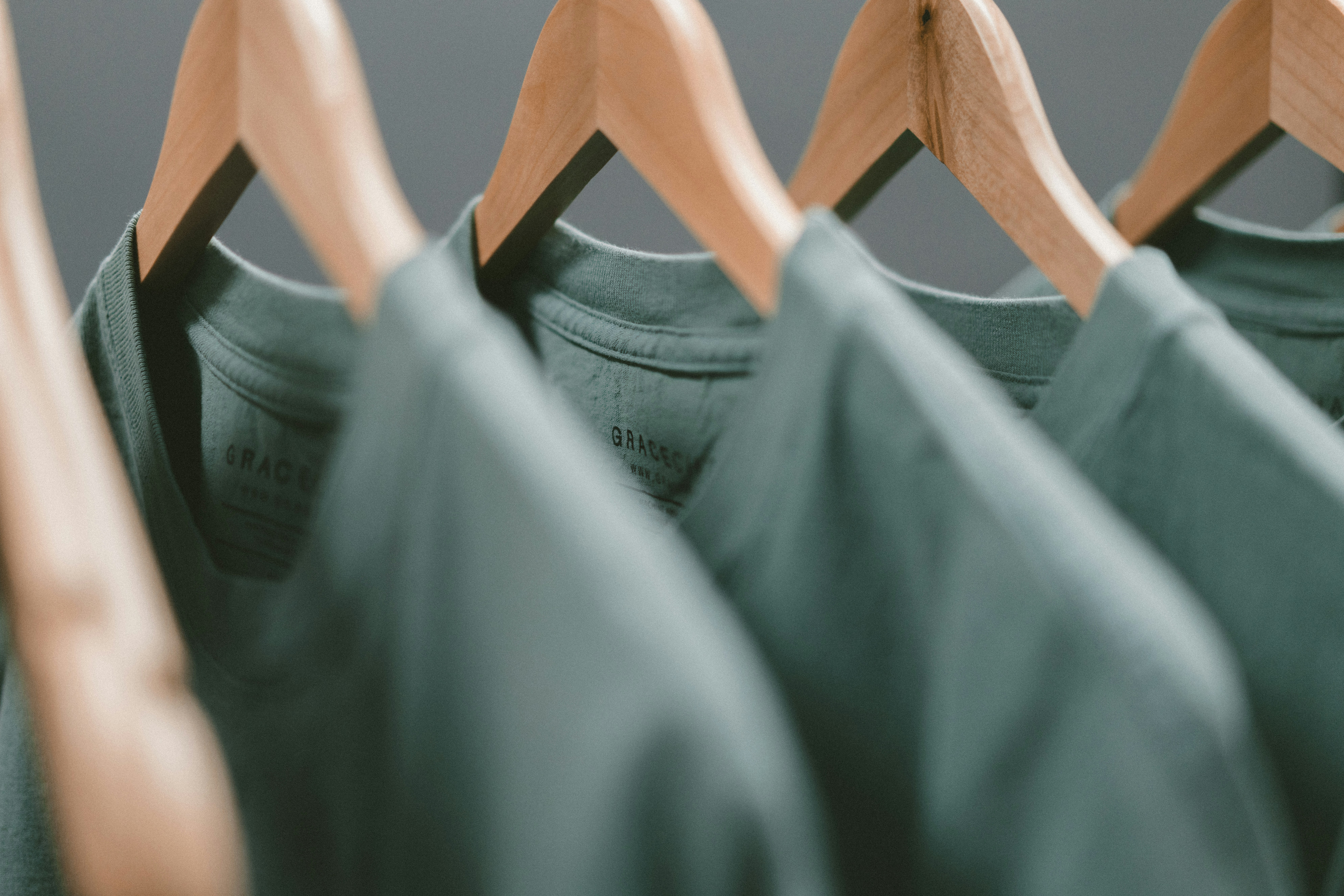
There was a time when fashion was driven by seasons. Now it is driven by scroll speed. What shows up on your feed in the morning can feel outdated by the evening, and entire aesthetics seem to rise and fall within the space of a few weeks. “Core” culture, quiet luxury, gorpcore, they all arrive fast and disappear faster. But underneath all of that noise, one thing has remained completely unchanged, how a piece actually feels when you wear it.
The reality is that most people do not keep coming back to a piece because it was trending when they bought it. They come back to it because it fits well, holds its shape, and feels right against the skin. That is the part that never shows up properly on Instagram. You cannot scroll texture. You cannot double tap weight or structure. But those are the things that decide whether something becomes part of your weekly rotation or disappears to the back of a drawer.
You can see this shift happening in how people talk about clothes now. There is less emphasis on logos and more on materials. Cotton weight, fabric blends, how something washes, whether it shrinks, whether it twists, whether it loses its shape after a few wears. These are not glamorous considerations, but they are the ones that matter. A hoodie that looks great on day one but collapses after three washes is not a good product, no matter how well it photographs.
At Loom and Line, this is where the design process starts. Not with colour or graphics, but with fabric. The long sleeve tee is built to sit clean on the body, but it is the material that allows it to keep that structure over time. The hoodie with a zipper is designed for everyday use, but it is the density and finish of the fabric that determines whether it still feels premium after months of wear. Even something as simple as a t shirt with a logo only works if the base garment holds up. Otherwise, the design does not matter.
There is also a wider cultural movement behind this. People are becoming more aware of how much they buy and how little of it they actually use. Fast fashion made it easy to accumulate, but it also made it easy to discard. The reaction now is more considered. Fewer pieces, better made, worn more often. Not as a statement, but as a practical decision. If something feels right and lasts, it earns its place.
Pop culture has started to reflect this in subtle ways. The rise of “quiet luxury” was not really about luxury at all, it was about restraint. Shows like Succession made a point of highlighting clothing that did not rely on visible branding but still communicated quality through fit and material. The message was clear, the people who understand what they are wearing do not need to advertise it. That mindset has filtered down into everyday wardrobes.
This does not mean everything needs to be expensive or exclusive. It means it needs to be intentional. A well made tee that you wear twice a week has more value than five cheaper ones you avoid wearing. A hoodie that keeps its shape becomes part of your routine. A polo that sits properly on the shoulders instantly feels more put together, even when everything else is simple.
For a demo store, this is also where credibility comes from. It is not just about having products, it is about having products that feel considered. When someone browses Loom and Line, the expectation is not variety for the sake of it. It is cohesion. Pieces that look like they belong together because they are built on the same principles. Clean lines, controlled fits, and materials that are chosen for how they perform, not just how they look.
In a landscape where trends are constantly shifting, fabric is the anchor. It is the part that does not change with the algorithm. It is the reason something becomes your go to instead of your backup. And once you start paying attention to it, it becomes very difficult to ignore.
The best wardrobes are not built on hype. They are built on pieces that feel right every time you put them on.
Leave a Reply