
There is a quiet shift happening in how people dress, and it is not being driven by trends, runway shows, or seasonal drops. It is being shaped by something far more practical, people are tired of thinking about what to wear. Not in a disengaged way, but in a refined way. The most consistently well-dressed people have not stopped caring, they have simply made the decision once and now live with it.
If you look at figures like Steve Jobs, who became almost synonymous with his black turtleneck and jeans, or more recently creators and founders who favour the same silhouettes daily, there is a pattern. It is not about lacking options. It is about removing noise. The idea of an everyday uniform has moved from being a quirk to being a signal of intent. You know what works, so you repeat it.
This approach has started to bleed into modern fashion culture in a more subtle way. Brands like COS, Arket, and Acne have built entire identities around pieces that do not shout. They refine. They iterate. They perfect. The same tee, slightly improved. The same hoodie, better weight, better structure. The goal is not to reinvent your wardrobe every season, it is to build one that holds.
At Loom and Line, this is the philosophy that sits underneath everything. The long sleeve tee is not designed to be noticed once, it is designed to be reached for weekly. The hoodie with a zipper is not there for one outfit, it becomes the layer you trust when you do not want to think too hard. Even something as simple as a cap or a pair of sunglasses becomes part of that repeatable system, not an accessory, but a constant.
There is also a cultural shift happening alongside this. Social media has pushed fashion into cycles that move faster than ever. Micro trends appear and disappear within weeks. What that has created is a kind of fatigue. People are starting to recognise that chasing novelty is expensive, both financially and mentally. The reaction is not to disengage, but to simplify. To find a baseline that works and stay close to it.
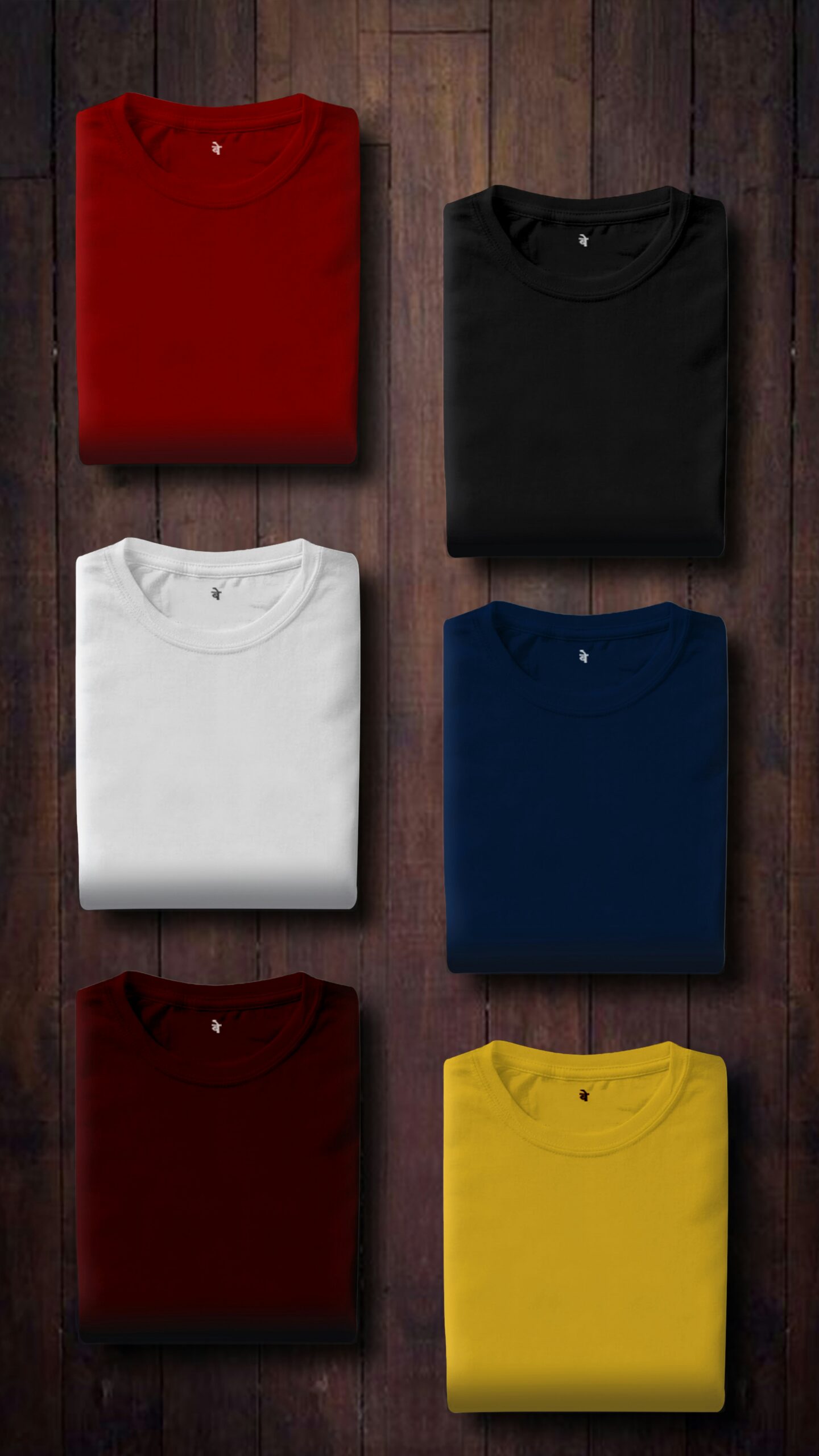
You can see this in how wardrobes are being built now. Instead of buying ten different tops for ten different occasions, people are investing in three that work across all of them. A clean t shirt that can be worn on its own or layered. A polo that can shift slightly more structured without feeling formal. A hoodie that works just as well on a walk as it does on a casual night out. The emphasis is not on variety, it is on reliability.
The interesting part is that this does not make style more boring, it often makes it sharper. When you remove excess, the details start to matter more. Fit becomes noticeable. Fabric becomes noticeable. The way a long sleeve tee sits at the wrist or how a hoodie holds its shape after multiple washes becomes the difference between something you wear once and something you wear constantly.
There is also confidence in repetition. Wearing the same types of pieces regularly creates a kind of personal signature. People begin to associate you with a look, even if they cannot quite define it. It is consistent without being rigid. You are not wearing the exact same outfit, but you are operating within a system that works for you.
For a demo store like Loom and Line, this is also what makes the experience feel real. The products are not random. They are connected. The long sleeve tee, the hoodie with a pocket, the polo, they all sit within the same idea. You could build an entire wardrobe from them without it feeling forced or incomplete. That coherence is what turns a collection of products into something that feels like a brand.
The everyday uniform is not about restriction. It is about refinement. It is about making fewer decisions, but better ones. And in a world where everything is competing for attention, there is something quietly powerful about knowing exactly what works and choosing it again.
Leave a Reply